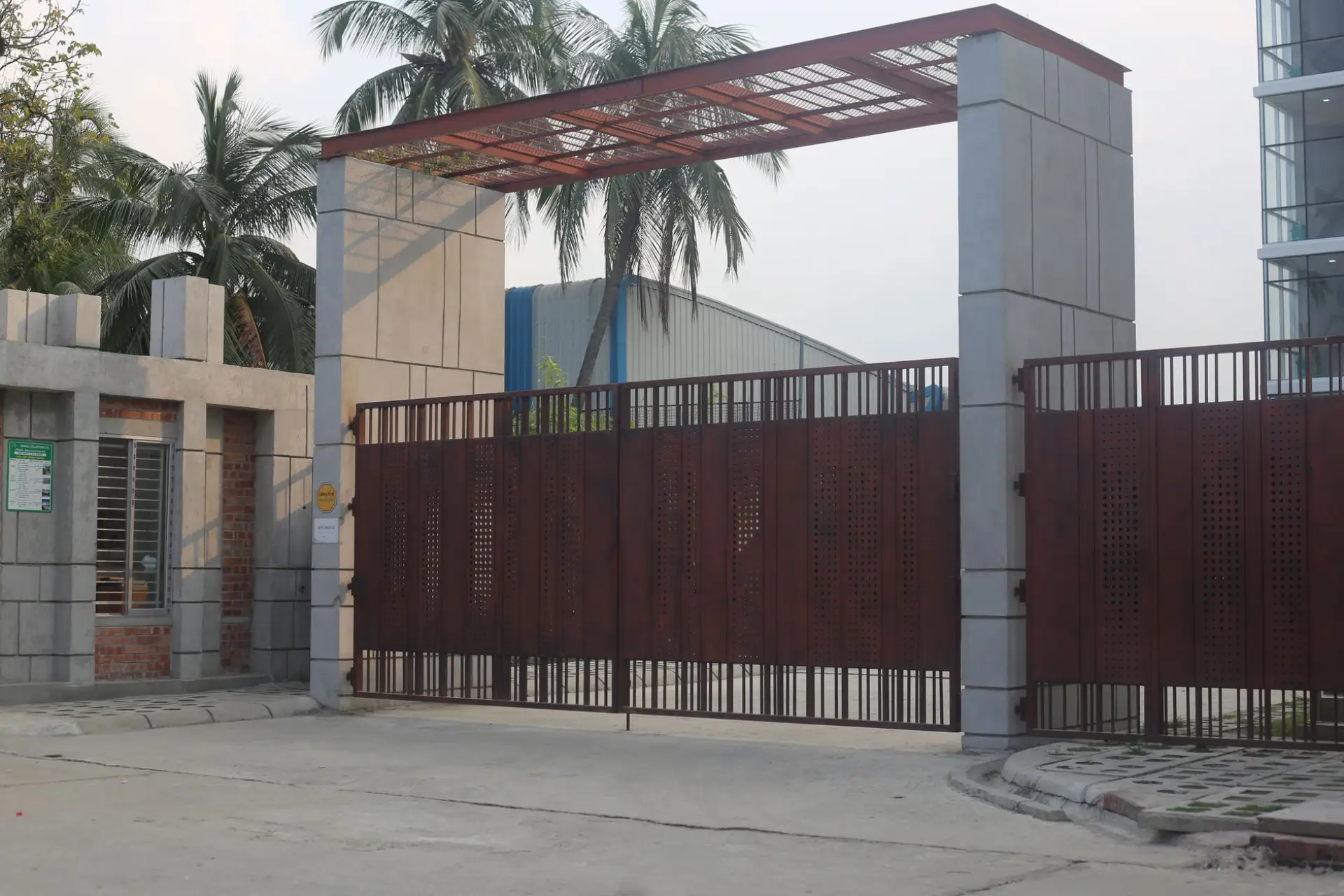
Automatic & Electric Gates in Elgin, IL — Residential & Commercial Gate Automation
An automated gate is a gate plus a motor plus a safety system, and the motor gets picked from leaf weight, length and how often the gate cycles — not from a catalog tier.
Elgin Elite Metal Gates is your local resource for automatic gates, electric gate operators and access control throughout Elgin, Kane County and the Fox Valley. We work with qualified local gate and access-control specialists who size the operator to the gate rather than selling the same motor for every opening.
Automating a gate changes what the gate has to be. A leaf a person opens twice a day gets cycled by a motor several times an hour, and every hinge, weld and fastener sees that multiplied over years. Most automatic gate failures trace back to this: a gate built to be pushed by hand, later fitted with a motor, now racking and binding because nothing in the frame was specified for the load.
Operator selection comes down to four numbers — leaf weight, leaf length, daily cycle count, and wind load. Wind load is the one people miss. A solid-panel gate catches air like a sail, so it needs meaningfully more motor than an open picket gate of identical weight. Undersized operators run hot, stall in cold weather, and fail early, which is the real story behind most gate stuck open calls in February.
Safety is a standards question, not a preference. UL 325 requires two independent means of entrapment protection at each entrapment point in each direction of travel, and operators manufactured from 2016 onward will not run at all unless a monitored photo eye or edge sensor is connected. ASTM F2200 governs the gate itself — gaps, bottom edges, and what happens if the gate leaves its hardware. A compliant installation involves both.
What a Automatic & Electric Gates Quote Covers
- Leaf weight, length and wind-load assessment before any operator is specified
- Daily cycle count discussed honestly — a household gate and a gate a trade crew opens hourly are different duty classes
- Operator selection matched to gate type: slide operators and swing operators are not interchangeable
- Two independent means of entrapment protection per entrapment point per direction of travel, as UL 325 requires
- Photo eyes and safety edges positioned, wired and function-tested rather than just fitted
- ASTM F2200 construction check: frame gaps under 2.25 inches, smooth bottom edges, protrusions no greater than half an inch
- Manual release demonstrated, because the gate has to be openable when the power is out
- Conduit and trenching from the power source, plus low-voltage runs to sensors, keypad or intercom
- Battery backup and loop or exit-wand detection where the drive layout calls for it
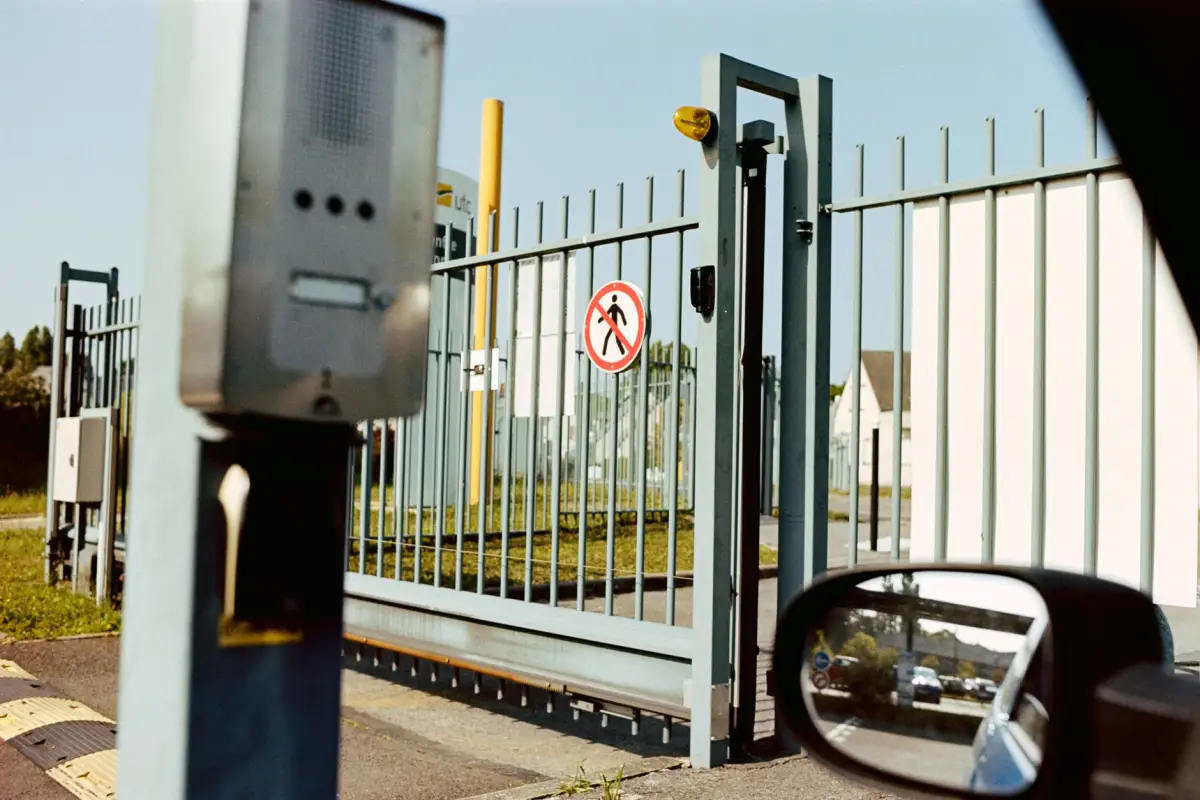
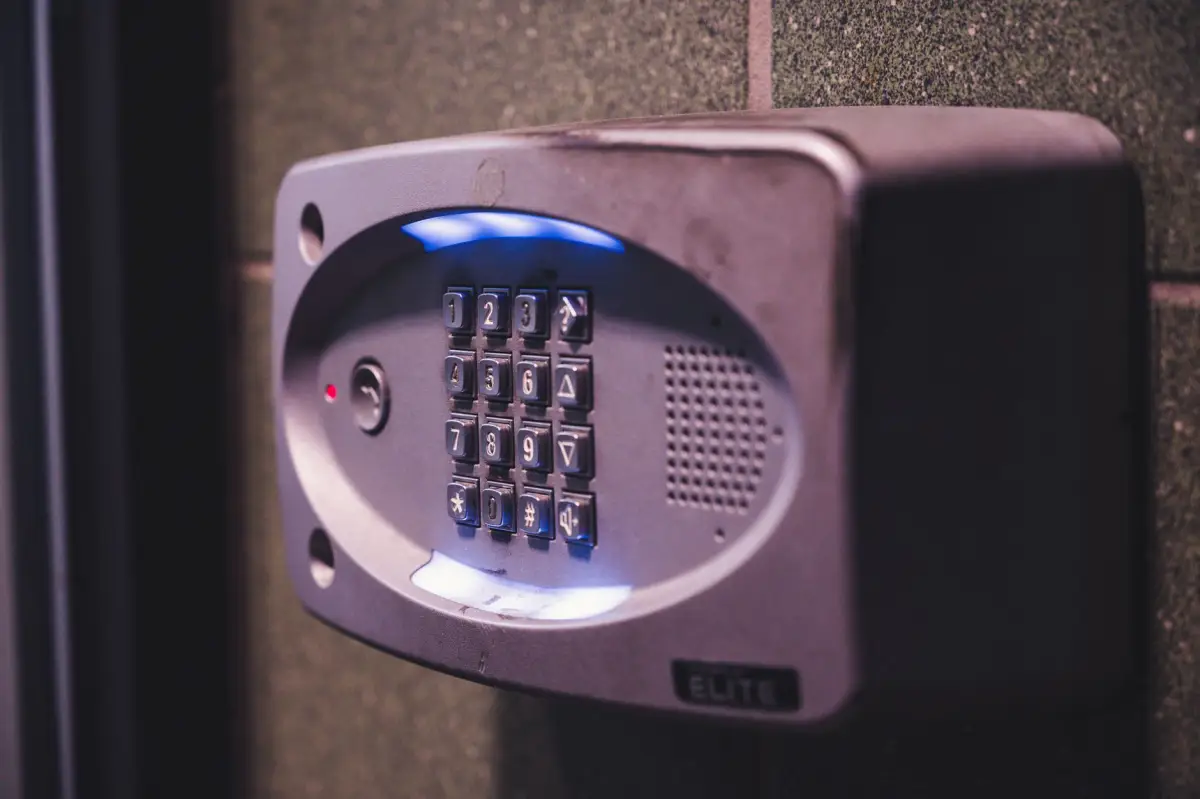
Automatic & Electric Gate Installation in Elgin, IL
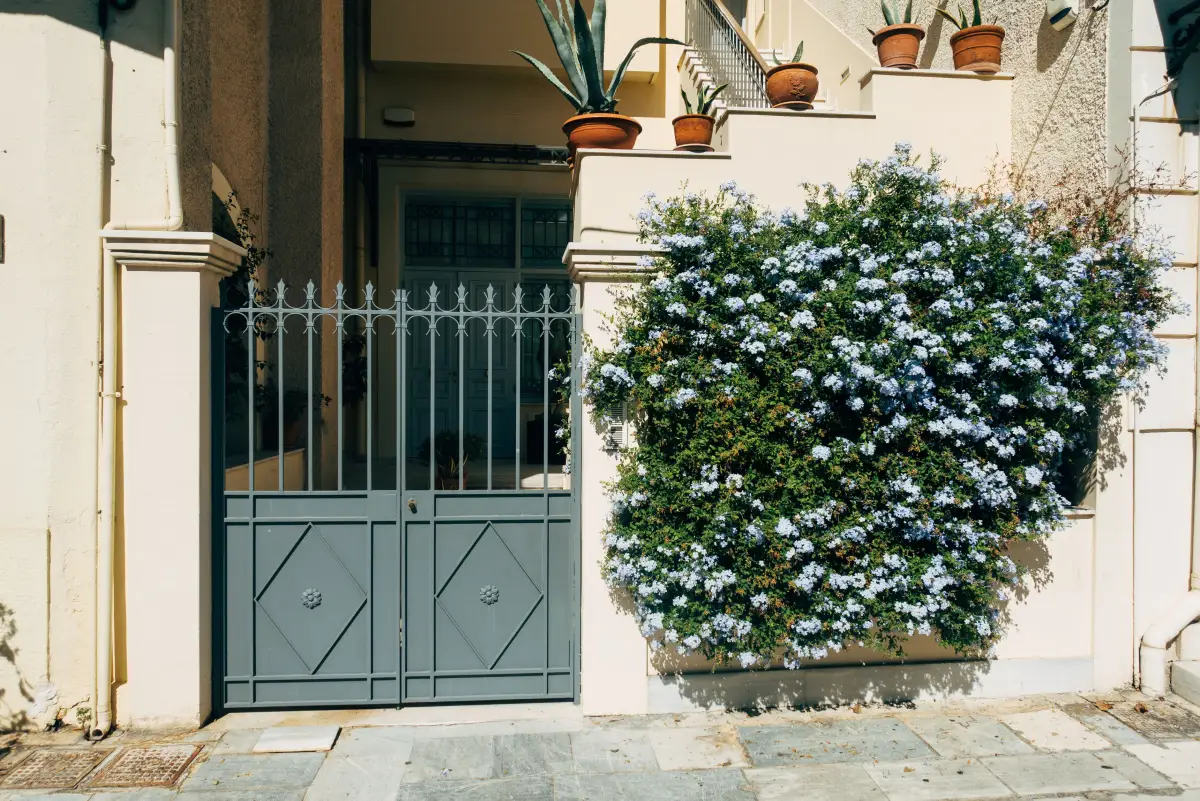
Automatic Driveway Gates
The driveway gate is where automation earns its cost, and it's also where it fails most visibly. The critical decision is made before the motor is chosen: does the existing gate have the frame and hinge capacity to be cycled mechanically, or is it a hand-push gate wearing a motor? Signs it's the latter show up within a year or two — the gate starts binding partway through travel, the operator strains audibly at the same point every cycle, or the leaf drops enough at the free end that the motor is fighting gravity as well as friction. Retrofits are absolutely doable, but they usually mean upgrading the hinges, adding a diagonal brace, and sometimes replacing the leaf outright. Getting an honest assessment of the existing gate before buying an operator is the difference between a system that runs for a decade and one that gets replaced twice. See driveway gates.
Electric Sliding Gates
Slide operators drive the gate along its run using a rack-and-pinion arrangement or a chain, and they behave differently from swing operators in cold weather. The failure mode particular to slides is debris and ice: a V-track packed with grit, road salt and refrozen meltwater gives the motor something to fight, and the operator's obstruction sensing reads that resistance as a person in the way and reverses. So a gate that stops halfway and backs off every morning in January is often not a motor fault at all — it's a track that needs clearing. Cantilever slides avoid this by carrying the leaf on post-mounted rollers so nothing touches the ground, which is why they're the usual recommendation for Fox Valley winters. Rack alignment matters too; a rack that's drifted out of parallel with the pinion chews teeth and gets progressively noisier before it fails.
Electric Swing Gates
Swing operators come in a few mechanical flavours — articulated arm, linear ram, and underground — and they suit different gates. Arm operators are the most forgiving of a slightly imperfect gate and the easiest to service. Underground operators disappear visually, which matters on an ornamental gate where a visible ram would spoil the look, but they sit in a housing that has to drain properly or it fills with meltwater and freezes. Every swing gate has two entrapment points, the hinge side and the leading edge, and UL 325 requires protection in each direction of travel unless there's genuinely no entrapment risk in one of them. On a bi-parting pair, the two leaves also need sequencing so the passive leaf lands before the active one closes against it; when a double gate won't latch, mis-sequenced operators are a common cause.
Automatic Gate Motors & Operators
Operators are rated by usage class, and the classes describe the property, not the gate. Class I covers a single-family residence. Class II covers general-access commercial like an apartment complex, hotel or retail lot. Class III covers industrial or limited-access sites not serving the general public, like a loading dock. Class IV covers restricted-access, guarded locations. Buying below your class is how a motor ends up running continuously at the edge of its duty cycle — it's the mechanical equivalent of redlining an engine, and it shows up as a motor that hums but doesn't move once the thermal cutout trips. Power supply is worth planning too. A gate at the end of a long run may need a heavier conductor than expected to avoid voltage drop, and battery backup is what keeps the gate usable during the outages that come with Fox Valley ice storms.
Remote & Smart Gate Operation
How you open the gate is a separate decision from how the gate moves, and it's worth treating that way. Remotes are simple and fail in simple ways — usually a dead battery, occasionally a receiver that's lost its programming after a power event. Keypads let you give a contractor a code without handing over hardware. Smartphone control adds the genuinely useful ability to let someone in while you're not there, and to see a log of when the gate opened. Exit detection is the piece people forget: something has to tell the gate to open when a car is leaving, whether that's a loop buried in the drive, an exit wand, or a button. Without it, you're reaching for a remote to get off your own property. Full detail on gate access control systems.
Signs You Need Gate Automation or an Operator Upgrade
- You're getting out of the car in the rain to push a gate that weighs more than you'd like
- The gate opens and then reverses partway, which usually means an obstruction, a dirty track, or a safety device reading a fault
- The motor hums but the gate doesn't move — commonly a thermal cutout, a seized mechanism, or a stripped drive component
- The operator strains at the same point in travel every cycle, pointing at the gate binding rather than the motor failing
- The gate is stuck open and won't respond, and nobody can find the manual release
- You need to let deliveries and trades in without being home
- Your operator predates 2016 and has no monitored photo eyes or edge sensors fitted
How Gate Automation Gets Specified and Installed
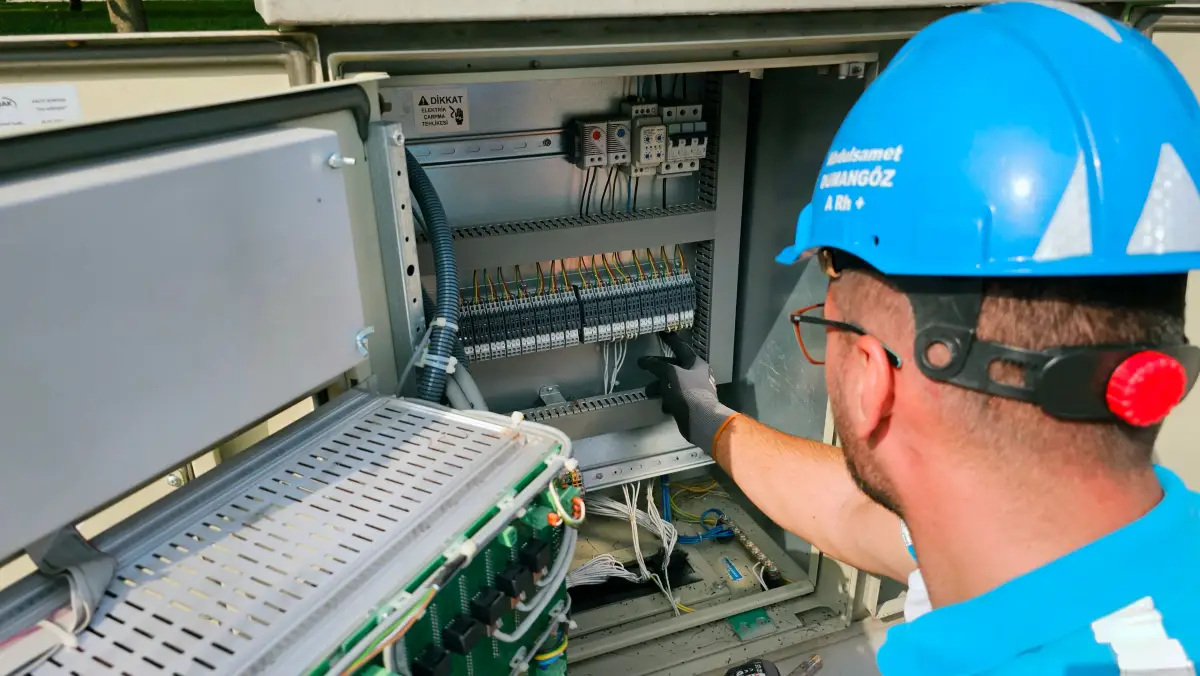
- 1
Gate assessment before operator selection
The first question is whether the gate can be automated as it stands. Leaf weight gets established, hinges get checked for play, and the gate gets pushed through its full travel by hand to find where it binds — a gate that catches at the halfway point will make an operator fight that resistance every cycle until something gives. Frame racking gets measured at the latch corner, since a leaf that's already drooping will only drop faster under mechanical cycling. For slides, the track or roller path gets inspected along its whole length. This assessment is what determines whether the job is an operator installation or an operator installation plus gate work, and it's far better to know that before the motor is on order than after it's mounted and struggling.
- 2
Operator sizing and safety design
Operator class comes from the property type and the expected cycle count; the specific model comes from leaf weight, leaf length and wind load. Solid infill is flagged here, since a panel gate's wind load can push it a full size up from what its weight alone would suggest. Then the safety system gets designed rather than assembled: every entrapment point is identified — the leading edge, the hinge side on a swing gate, the receiving post and the parked position on a slide — and each gets two independent means of protection in each direction of travel, as UL 325 requires. That's typically the operator's inherent obstruction sensing plus a monitored external device, either a non-contact photo eye or a contact safety edge. Positioning matters as much as specification; a photo eye aimed to miss the actual pinch point satisfies nobody.
- 3
Power, conduit and low-voltage runs
A JULIE locate goes in before any digging. Then the electrical path gets planned end to end: line voltage from the source to the operator, sized for the run length so voltage drop doesn't leave the motor underfed, and low-voltage runs out to the photo eyes on the opposite post, to any keypad or intercom at the road, and to a vehicle detection loop if one is going in. Loops get cut into the drive surface and sealed. Where the run has to cross finished concrete or asphalt, that means saw-cutting and patching, which is the single most commonly underestimated line on an automation quote. Battery backup gets wired at this stage too — Fox Valley ice storms take power down often enough that a gate with no backup is a gate you'll be releasing by hand in the worst possible weather.
- 4
Commissioning, safety testing and handover
Setup is more than making the gate move. Travel limits get set so the gate stops where it should rather than driving into its stops. Obstruction sensitivity gets tuned — too coarse and it won't reverse off a person, too fine and it nuisance-trips on wind. Then each safety device is deliberately triggered and the gate's reaction verified in both directions of travel, because a monitored device that's wired but misaligned will still let the operator run while protecting nothing. ASTM F2200 items get checked on the gate itself: frame openings under 2.25 inches, smooth bottom edges with protrusions no greater than half an inch, and construction such that the gate won't fall more than 45 degrees from vertical if it detaches from its supporting hardware. Finally, the manual release gets demonstrated to whoever lives or works there, because that's the control that matters during a power cut.
What Do Automatic Gates Cost in Elgin, IL?
- Operator usage class — residential Class I hardware and general-access Class II hardware are different price tiers for good reason
- Gate type: slide operators, swing arm operators, linear rams and underground operators all cost differently and aren't interchangeable
- Leaf weight, length and wind load, which together set the minimum operator size
- Whether the existing gate needs hinge, brace or frame work before it can be cycled mechanically
- Safety devices — the number of entrapment points drives how many monitored photo eyes and edge sensors are needed
- Distance from the power source, conductor sizing for that run, and whether the trench crosses finished concrete
- Vehicle detection: loop cut into the drive, exit wand, or push button
- Access control hardware — keypad, intercom, card reader or smartphone control
- Battery backup, which is close to essential where outages are routine
The cheapest automation quote is frequently the one that skips the gate assessment. Fitting an adequate operator to a gate that can't take mechanical cycling produces a system that works on handover day and starts binding within a year — and the second visit costs more than doing the hinge and brace work would have the first time. If a quote arrives without anyone having pushed the gate through its full travel by hand, it's a quote based on the opening width and nothing else.
What to Look for in an Elgin Automatic Gate Installer
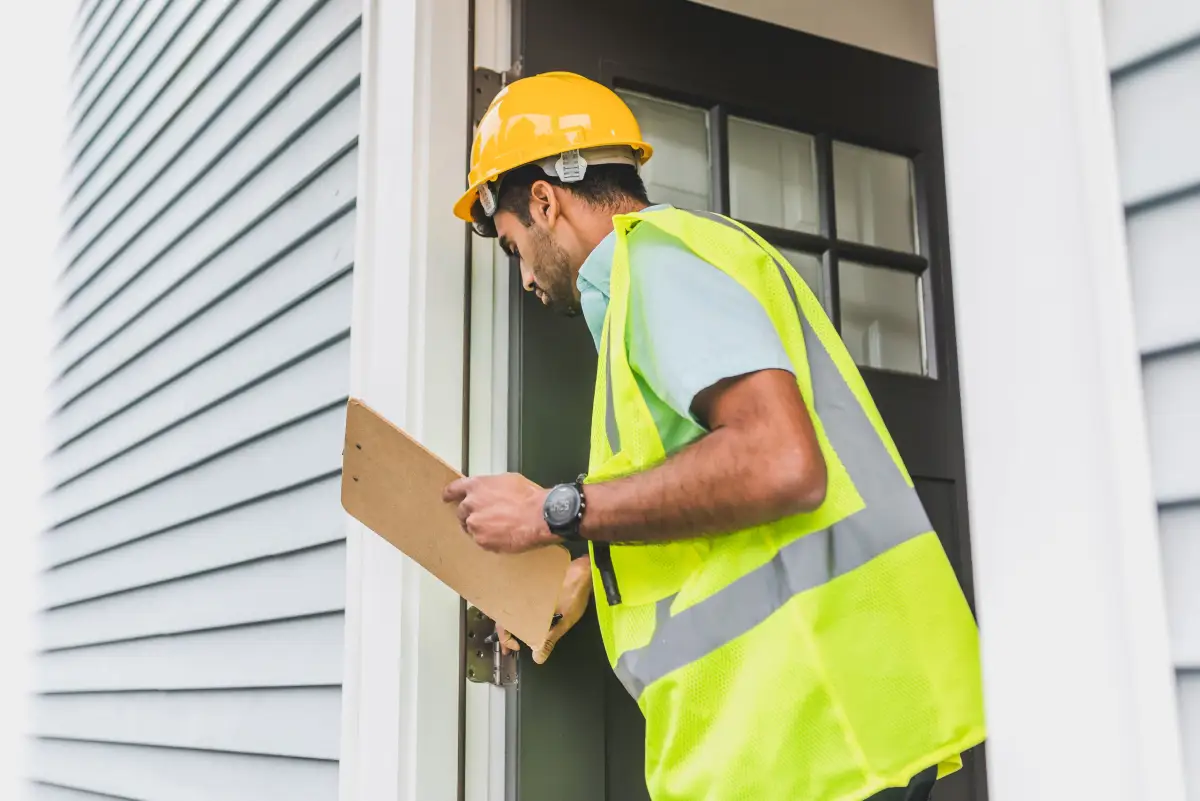
The Gate Gets Assessed First
Leaf weight, hinge play and where the gate binds through its travel all get checked before an operator is chosen. Skipping this is how undersized systems get sold.
Usage Class Stated Plainly
Class I through IV describe the property, not the gate. An installer who can tell you which class your site is and why has sized the operator rather than guessed.
Two Means of Entrapment Protection, Per Point, Per Direction
That's what UL 325 requires. Operators built from 2016 on won't even run without a monitored device connected, so anything less isn't a saving, it's a fault waiting to happen.
Safety Devices Tested, Not Just Fitted
Each device should be deliberately triggered and the gate's response verified in both directions before handover. A misaligned photo eye protects nothing.
Manual Release Demonstrated
Power goes out. Anyone who uses the gate should know how to release it by hand before they need to in an ice storm.
Trenching and Conduit Priced On the Quote
Power to the operator and low-voltage to the sensors is real work. Seeing it itemised means it won't return as a change order.
Residential & Commercial Automatic & Electric Gates
Residential
Residential automation is usually a single drive gate, a remote or two, a keypad at the road and exit detection so nobody needs a remote to leave. Cycle counts are low, which puts most homes in Class I — but a household where trades come and go daily can push closer to commercial duty than the owner expects, and that's worth saying out loud before the operator is chosen.
Commercial
Commercial automation is a duty-cycle problem first. A gate cycling sixty times a day needs high-cycle hardware, and downtime has a direct cost when it blocks a loading dock or a tenant lot. See commercial automatic gates for high-cycle operators and industrial gates for heavy-duty systems.
When Gate Automation Isn't the Right Call
- The existing gate is racked, sagging or binding. Automating it will accelerate every one of those problems — fix the gate first, see metal gate repair.
- Your gate already has an operator and the problem is that it stopped working. That's gate opener repair, which is a service call rather than a new system.
- You want a working system but not the safety devices. That isn't something a reputable installer will do, and a post-2016 operator won't run without a monitored device connected anyway.
- The budget covers the operator but not the trenching, and power is a long run from the gate across a finished drive. Price the whole path before committing.
- The property is outside Kane, Cook, DuPage, McHenry and Lake Counties.
Related Services
- Gate Opener Installation in Elgin, IL
The operator hardware itself — sizing, replacement and upgrades on an existing gate.
- Gate Opener & Motor Repair in Elgin, IL
When an existing operator hums, stalls, or leaves the gate stuck open.
- Gate Access Control Systems in Elgin, IL
Keypads, intercoms, card readers, smartphone control and vehicle detection.
- Driveway Gates in Elgin, IL
The gate itself — grade, apron length and the swing-versus-slide decision.
Serving Nearby Cities
Gate work across Kane, Cook, DuPage, McHenry & Lake Counties. Each city page covers the local permit requirements, footing depth and the configurations that come up most often there.
- South Elgin
- Streamwood
- Bartlett
- Carpentersville
- Hanover Park
- Hoffman Estates
- St. Charles
- Algonquin
- Schaumburg
- Lake in the Hills
- West Chicago
- Carol Stream
- Huntley
- Batavia
- Glendale Heights
- Palatine
- Crystal Lake
- Wheaton
- Arlington Heights
- Addison
- Lombard
- Mount Prospect
- Buffalo Grove
- Aurora
- Elmhurst
- Des Plaines
- McHenry
- Naperville
- Downers Grove
- Woodstock
Frequently Asked Questions
- How much does it cost to automate an existing gate?
- It depends far more on the gate than on the motor. If the existing gate is square, hinged properly and moves freely through its full travel, automation is mostly operator, safety devices and the electrical run. If it's racked, binding or hung on hinges rated for hand use, the gate work comes first and can exceed the cost of the operator. That's why an honest quote starts with someone pushing the gate through its travel by hand.
- Why does my automatic gate open then reverse?
- The operator is sensing an obstruction. Sometimes that's genuine, but more often it's a dirty or iced track on a slide, a gate binding at one point in its travel, or a misaligned photo eye reading a fault. In Elgin this becomes noticeably more common in January, when road salt and refrozen meltwater pack a ground-level track. Clearing the track is worth trying before assuming the operator has failed. If the fault persists, see [gate opener repair](/services/gate-opener-repair).
- What safety devices does an automatic gate legally need?
- UL 325 requires at least two independent means of entrapment protection for each entrapment point in each direction of travel — typically the operator's inherent obstruction sensing plus a monitored external device, either a non-contact photo eye or a contact safety edge. Operators manufactured from 2016 onward monitor those external devices and will not function if one isn't connected. ASTM F2200 additionally governs the gate's construction: frame gaps under 2.25 inches, smooth bottom edges, and protrusions no greater than half an inch.
- What happens to an automatic gate in a power cut?
- Every operator has a manual release that disconnects the drive so the gate can be moved by hand. Knowing where it is and how to use it before you need it matters, because the moment you need it is likely to be during an ice storm at night. Battery backup is the better answer where outages are routine — it keeps the gate cycling normally for a period rather than leaving you pushing it.
- Can I use my phone to open the gate?
- Yes. Smartphone control is standard now and adds two genuinely useful things: letting someone in while you're not on the property, and a log of when the gate opened and on whose credential. It's worth pairing with a keypad rather than replacing one, since a keypad gives a contractor a temporary code without needing an app or an invite. See [gate access control systems](/services/gate-access-control-systems).
- Do sliding and swing gates use the same operator?
- No. Slide operators drive the gate along its run with a rack-and-pinion or chain arrangement; swing operators use an articulated arm, a linear ram, or an underground mechanism. They're sized on the same inputs — leaf weight, length, cycle count and wind load — but the hardware isn't interchangeable, and the entrapment points that need protecting differ between the two.
Learn More
- UL Solutions — UL 325 External Entrapment Protection Devices — What counts as an entrapment protection device, and why operators built from 2016 onward refuse to run without a monitored one connected.
- DASMA — An Installer's Guide to ASTM F2200 — The construction requirements an automated gate has to meet: gap limits, bottom-edge protrusions, and how the gate has to behave if it leaves its hardware.
- JULIE — Illinois One-Call Utility Locate — The free locate request that has to go in before anyone digs a post hole in Illinois.
Get a Quote for Automatic & Electric Gates in Elgin, IL
Send over the opening you’re working with and get an on-site measurement and quote — no charge for the estimate, no obligation to book it.
Get My Free Estimate