Gate Opener & Motor Repair in Elgin, IL — Residential & Commercial Operator Repair
Motors that hum but don't move, gates stuck open, sensors faulting, remotes that stopped working. The electrical and mechanical side of an operator that's given up.
Elgin Elite Metal Gates is your local resource for gate opener repair, operator replacement and access control troubleshooting across Elgin, Kane County and the Fox Valley. We work with qualified local gate and access-control specialists who find out why an operator failed before replacing it.
Most gate operators don't fail on their own. They fail because they've been fighting something — a gate that binds, a track packed with ice, hinges that have worn — and the motor is simply the part that gave out first. Replacing it without finding what it was fighting produces a new motor with the same lifespan.
So the first test on any operator call is to release the drive and push the gate by hand. A gate that moves freely through its whole travel points at the operator, its wiring, or its sensors. A gate that binds points at the gate itself, and the operator is a symptom.
The second thing worth knowing before anyone comes out: operators manufactured from 2016 onward monitor their external safety devices and will refuse to run if one is disconnected, misaligned or faulting. A gate that has stopped working entirely, with no obvious mechanical problem, is very often a safety device reporting a fault rather than a motor that has died.
What a Gate Opener & Motor Repair Quote Covers
- Manual-release test first, to separate an operator fault from a gate fault
- Diagnosis of the actual failure — motor, gearbox, control board, wiring, power supply or safety device
- Photo eye and safety edge testing and realignment, including monitored-device faults that stop post-2016 operators running
- Control board, capacitor, limit switch and drive component replacement where those are the fault
- Power supply checks including voltage drop on long runs, which starves a motor and looks like a failing one
- Remote, keypad and receiver reprogramming after power events that wipe stored codes
- Loop detector and exit wand testing where a gate won't open for departing vehicles
- Travel limit and obstruction sensitivity retuning after any repair, since a repaired gate has different resistance
- Battery backup testing, because a backup that has quietly died is only discovered during an outage
- An honest repair-versus-replace opinion where an operator is undersized or obsolete rather than broken
Gate Opener & Motor Repair in Elgin, IL
Electric Gate Motor Repair
A motor that hums but doesn't move is the most recognisable fault and has a short list of causes. Most often it's a failed start capacitor, which leaves the motor energised but without the torque to turn. Next is a thermal cutout that has tripped after the motor overheated — usually from fighting a binding gate — and will reset once it cools, which is why the gate mysteriously works again in the evening and fails the next morning. Then there's a seized gearbox or a stripped drive component, where the motor genuinely turns but nothing downstream does. Cold weather exposes marginal motors here: grease stiffens, resistance rises, and an operator that coped in July stalls in January. That's rarely a motor that suddenly failed — it's a motor that was undersized for the leaf all along and only now can't hide it. Which is why the leaf weight question gets asked during repair, not just during installation.
Automatic Gate Opener Repair
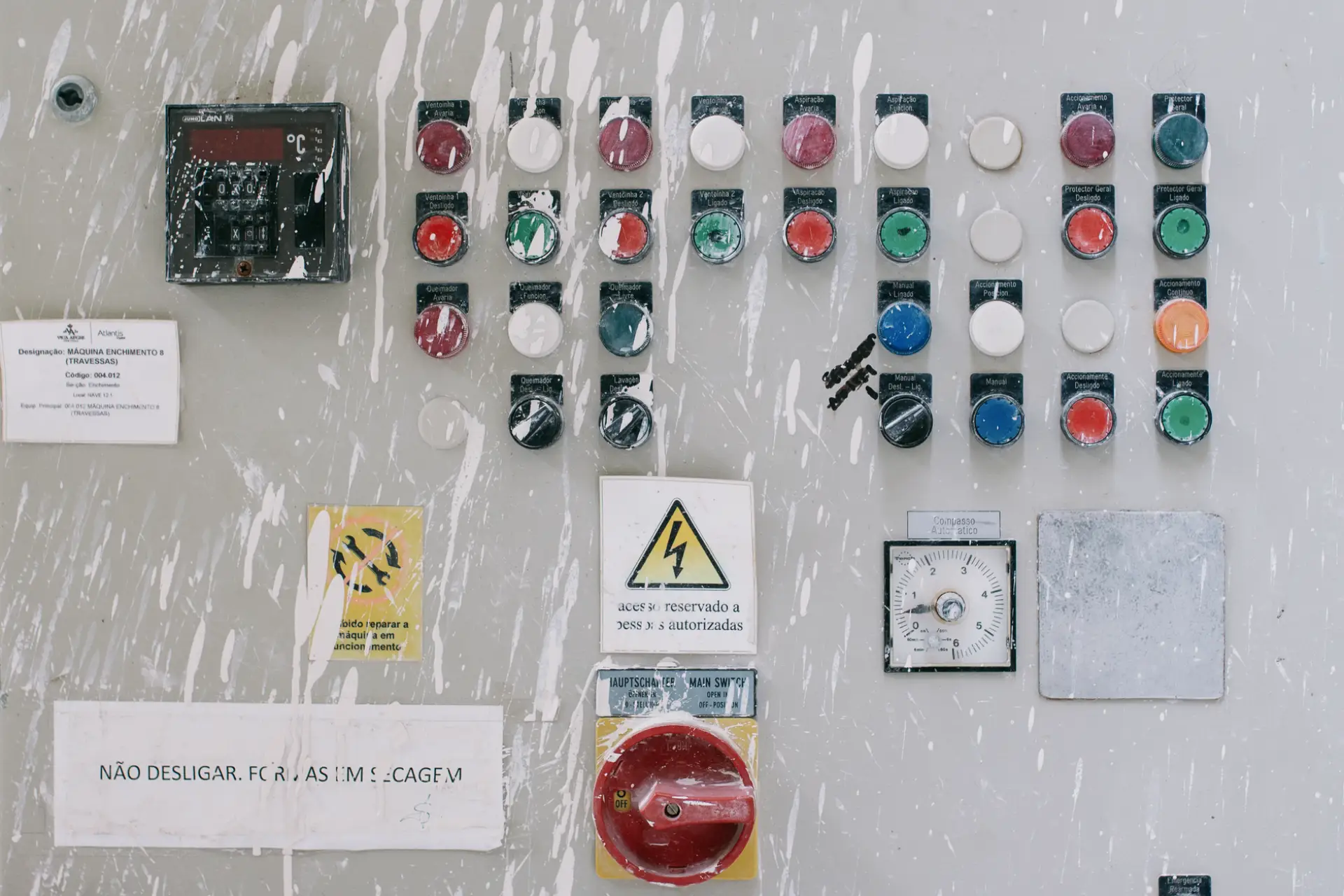
When an automatic gate stops responding entirely, the fault is more often in the control side than in the motor. A control board damaged by a nearby lightning strike or a power surge is common enough in the Fox Valley that it's worth checking early, and it frequently presents as a gate that has lost its programming rather than one that's obviously dead. Limit switches are the other recurring culprit: when they drift or fail, the gate either stops short of fully open, overruns into its stops, or refuses to move because the controller can't establish where it is. A gate stuck open with no response at all often turns out to be a tripped breaker, a blown fuse in the operator, or a control board that has locked out after repeated obstruction faults. Reading the operator's own diagnostic indicators before touching anything saves a great deal of guessing.
Gate Operator Repair
The operator is more than its motor, and the mechanical parts between motor and gate wear in ways worth knowing. On a slide, the rack and pinion is the wear point — a rack drifted out of parallel chews its teeth, gets noisier over months, and eventually skips under load. On a swing operator, an articulated arm develops play at its joints and a linear ram develops play in the screw, both of which show as a gate that no longer stops in quite the same place twice. Underground operators have a failure mode of their own: the housing has to drain, and one that fills with meltwater and freezes will not move the gate in January no matter how healthy the motor is. Mounting hardware matters too — an operator bracket working loose puts every load into the fasteners rather than the structure, and the symptom is a gate that judders at the start of travel.
Gate Sensor & Safety System Repair
This is the single most common reason a modern gate stops working, and the one people least expect. UL 325 requires two independent means of entrapment protection at each entrapment point in each direction of travel, and operators built from 2016 onward monitor those external devices continuously. If a photo eye is misaligned, dirty, wet or disconnected, the operator reports a fault and refuses to run — the gate isn't broken, it's protecting itself. Photo eyes drift out of alignment when a post shifts or something knocks the bracket, and they false-trip on heavy snow, dense fog and low winter sun straight down the beam. Safety edges fail differently: the rubber perishes, or the wiring at the flex point breaks after years of travel, and the operator reads a permanently triggered edge. The fix is often alignment or cleaning rather than parts, but the diagnosis has to be right, and bypassing a safety device is never the answer.
Remote, Keypad & Control Repair
When a gate works from one control but not another, the fault is in the control rather than the operator, which narrows things quickly. Remotes usually just need a battery, but a receiver that lost its programming during a power event will reject every remote at once — a distinctive symptom worth recognising, since it looks like total failure and is a reprogramming job. Keypads suffer from weather at the entrance more than anything electrical: water gets into a poorly sealed housing, and the symptom is intermittent operation that's worse after rain. Loop detectors and exit wands are the ones people forget entirely, and the complaint is specific — the gate opens fine on the way in but won't open to let you out. A loop cut into the drive can be broken by pavement movement or frost, and the detector's own sensitivity setting can drift. Full detail on entry hardware is on gate access control systems.
Signs Your Gate Opener Needs Repair
- The motor hums but the gate doesn't move — commonly a capacitor, a thermal cutout, or a seized drive
- The gate is stuck open and won't respond to anything
- It opens partway then reverses, which usually means an obstruction, a dirty track, or a sensor fault
- It works in the afternoon and fails in the morning, the classic signature of a thermal cutout resetting overnight
- The gate stops short of fully open or overruns into its stops, pointing at limit switches
- It works from the keypad but not the remote, or from nothing at all after a power cut
- The gate opens when you arrive but won't open to let you out, which is a loop or exit wand fault
- It's getting noisier or juddering at the start of travel, often a loose mounting bracket or a worn rack
How Gate Opener Repair Works

- 1
Manual release and gate test
Before any electrical diagnosis, the drive gets released and the gate pushed through its full travel by hand. This one test splits the entire job in two. A gate that moves freely means the fault is genuinely in the operator, its wiring, its controls or its sensors, and the diagnosis proceeds electrically. A gate that binds, drags or resists at a point means the operator has been fighting the gate — possibly for months — and replacing the motor without fixing the gate simply schedules the same failure again. Where the gate is at fault, that becomes a gate repair conversation first. This is also the moment to confirm the manual release itself works and that whoever uses the gate knows where it is, since a surprising number of stuck-open calls come from people who have one and have never been shown it.
- 2
Safety device and control diagnosis
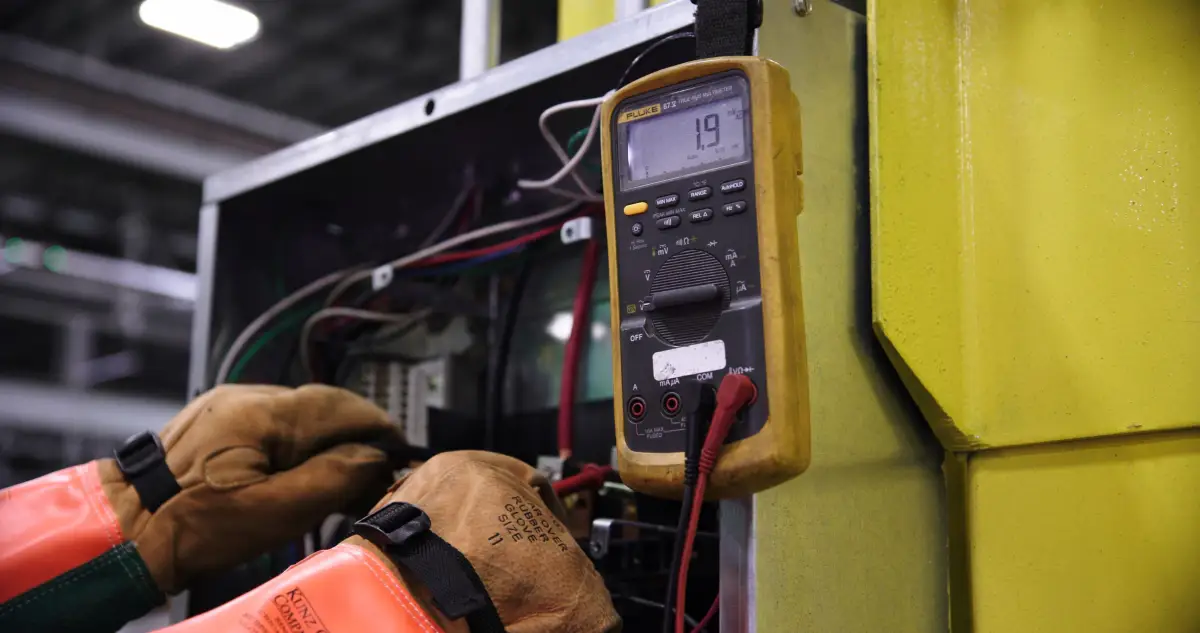
With the gate cleared, the operator's own diagnostics get read before anything is dismantled — most modern controllers report fault codes that name the problem directly. Safety devices get checked first, because they're the most common cause of a modern gate refusing to move: photo eyes get inspected for alignment, dirt, moisture and beam obstruction, and safety edges for perished rubber or a break in the wiring at the flex point. Post-2016 operators monitor these continuously and will not run with a device faulting, which regularly presents as a completely dead gate. Then the control side: power supply and breaker, fuses, the control board for surge damage, limit switches for drift or failure, and the receiver for lost programming after a power event. Voltage is measured at the operator rather than at the source, since a long undersized run starves a motor and mimics a failing one.
- 3
Component repair or replacement
Repairs get made at the level that actually failed. A start capacitor, a limit switch, a fuse or a control board is a component swap. A worn rack, a loose mounting bracket or play in an articulated arm is mechanical work. Where the motor or gearbox itself has genuinely failed, the replacement decision includes whether the original was ever correctly sized — an operator that failed early on a heavy leaf gets replaced with the right class rather than the same one, or the failure repeats. Age matters too: an obsolete operator with no available parts, or a pre-2016 unit with no monitored entrapment protection, is often better replaced than repaired, and that gets said plainly rather than after two service calls. Where replacement is the answer, see gate opener installation.
- 4
Retuning and safety verification
After any repair the operator gets set up again rather than simply switched back on. Travel limits are reset so the gate stops where it should instead of driving into its stops. Obstruction sensitivity is retuned, which matters particularly after gate work, because a repaired gate has different resistance from the one the operator was originally tuned to — leaving old settings is how a freshly repaired gate starts nuisance-reversing. Then every safety device is deliberately triggered and the gate's response verified in both directions of travel, since a monitored device that's wired but misaligned satisfies the controller while protecting nobody. Battery backup gets tested under load, because a backup that quietly died two years ago is otherwise discovered during the next ice storm. Remotes, keypads and any loop detection get confirmed working before handover.
What Does Gate Opener Repair Cost in Elgin, IL?
- Which component failed — a capacitor, fuse or limit switch is a different order of cost from a control board or a gearbox
- Whether the gate itself needs work first, since an operator fighting a binding gate will fail again regardless
- Safety device faults, which are frequently alignment or cleaning rather than parts
- Surge damage, which can take out a control board and a receiver together
- Wiring faults, including voltage drop on a long run that starves the motor
- Whether the operator is still supported — obsolete units with no parts available push toward replacement
- Whether the original operator was correctly sized, since an undersized one will keep failing
- Access and weather, since a gate stuck open in January is a different job from the same fault in June
The repair that most often gets paid for twice is a motor replaced on a gate nobody tested by hand. If the leaf binds partway through its travel, the new operator inherits the same fight and fails on the same schedule. Ask whether the gate was released and pushed manually before the operator was condemned — it takes two minutes and it's the difference between fixing the fault and replacing the part that reported it.
What to Look for in an Elgin Gate Opener Repair Company

The Gate Gets Released and Pushed First
Two minutes, and it decides whether this is an operator job at all. Anyone who condemns a motor without doing it is guessing.
Fault Codes Read Before Anything Is Dismantled
Modern controllers name the problem. Reading the diagnostics is faster and cheaper than working through the system by elimination.
Safety Devices Checked Early
A misaligned photo eye stops a post-2016 operator running entirely. It's the most common cause of a gate that looks completely dead.
Voltage Measured at the Operator
Not at the panel. A long undersized run starves the motor and produces every symptom of a failing one.
Sizing Questioned on a Repeat Failure
An operator that failed early on a heavy leaf was probably the wrong class. Fitting the same one again repeats the outcome.
Safety Retested After the Repair
Every device triggered, both directions of travel, plus retuned obstruction sensitivity — a repaired gate doesn't behave like the one the operator was set up for.
Residential & Commercial Gate Opener & Motor Repair
Residential
Residential operator calls cluster in two places: cold snaps, when marginal motors that were undersized all along finally stall, and after storms, when surge damage takes out control boards and receivers. The seasonal pattern is worth knowing, because a gate that fails every January and works fine by April is telling you it was never sized for the leaf.
Commercial
On commercial sites the cost of the repair is usually smaller than the cost of the gate being out of action, which changes the calculation toward scheduled maintenance and toward keeping common failure parts available. High-cycle operators wear predictably enough to be inspected on a schedule. See commercial gate repair and maintenance.
When Opener Repair Isn't the Right Call
- The gate binds or drags when you push it by hand with the drive released. The operator isn't the fault — see metal gate repair first, or you'll be buying two motors.
- The operator is obsolete with no parts available, or predates 2016 with no monitored entrapment protection. Repairing it is money spent on a unit that should be replaced — see gate opener installation.
- You want a safety device bypassed to get the gate running. That's not something a reputable specialist will do, and a post-2016 operator will refuse to run anyway.
- The operator has failed repeatedly on a heavy leaf. It's undersized rather than unlucky, and the fix is the correct operator class, not another repair.
- The property is outside Kane, Cook, DuPage, McHenry and Lake Counties.
Related Services
- Metal Gate Repair in Elgin, IL
The gate itself — sagging leaves, gates off track, worn rollers and heaved posts.
- Gate Opener Installation in Elgin, IL
Replacement and upgrade when repair no longer makes sense.
- Gate Access Control Systems in Elgin, IL
Keypads, intercoms, loop detectors and credentials when the fault is in how the gate gets triggered.
- Automatic & Electric Gates in Elgin, IL
How operators get sized and what UL 325 requires of a compliant installation.
Serving Nearby Cities
Gate work across Kane, Cook, DuPage, McHenry & Lake Counties. Each city page covers the local permit requirements, footing depth and the configurations that come up most often there.
- South Elgin
- Streamwood
- Bartlett
- Carpentersville
- Hanover Park
- Hoffman Estates
- St. Charles
- Algonquin
- Schaumburg
- Lake in the Hills
- West Chicago
- Carol Stream
- Huntley
- Batavia
- Glendale Heights
- Palatine
- Crystal Lake
- Wheaton
- Arlington Heights
- Addison
- Lombard
- Mount Prospect
- Buffalo Grove
- Aurora
- Elmhurst
- Des Plaines
- McHenry
- Naperville
- Downers Grove
- Woodstock
Frequently Asked Questions
- Why does my gate motor hum but not move?
- Most often a failed start capacitor — the motor is energised but has no torque to turn. Second most likely is a thermal cutout that tripped after the motor overheated fighting a binding gate; that resets as it cools, which is why the gate sometimes works again hours later. Third is a seized gearbox or a stripped drive component. Before assuming any of them, release the drive and push the gate by hand: if it resists, the motor was fighting the gate and that's the real fault.
- Why is my automatic gate stuck open?
- Common causes are a tripped breaker or blown fuse, a control board that has locked out after repeated obstruction faults, a failed limit switch leaving the controller unsure where the gate is, or a safety device reporting a fault. That last one catches people out: operators built from 2016 onward monitor their photo eyes and safety edges and will refuse to run if one is misaligned, dirty or disconnected. Every operator also has a manual release so the gate can be moved by hand in the meantime.
- Why does my gate open then immediately reverse?
- The operator is sensing an obstruction, which is exactly what it's designed to do. The question is whether the obstruction is real. On a slide it's usually a track packed with grit, road salt or refrozen meltwater — very common here in January. It can also be a gate binding at one point in its travel, or a photo eye misaligned enough to read a fault. Clearing the track and pushing the gate by hand will usually identify it.
- My remote stopped working — is the opener broken?
- Probably not. Start with the remote's battery. If several remotes stopped at once, the receiver most likely lost its programming during a power event, which looks like total failure and is a reprogramming job. If the gate works from the keypad but not any remote, the fault is on the receiver side rather than in the operator. If it works from nothing at all, check the breaker before assuming the worst.
- My gate opens when I arrive but won't let me out — why?
- That's exit detection rather than the operator. Something has to tell the gate a vehicle is leaving — usually a loop buried in the drive, an exit wand, or a button. A loop can be broken by pavement movement or frost heave, and a detector's sensitivity can drift so it no longer picks up a smaller vehicle. Exit wands can be knocked out of position. All are straightforward to diagnose once the symptom is described accurately.
- Should I repair or replace an old gate operator?
- Repair is usually right for a discrete component failure — a capacitor, limit switch, fuse or board — on an operator that's correctly sized and still supported. Replacement makes more sense in three cases: parts are no longer available, the unit predates 2016 and has no monitored entrapment protection, or it keeps failing because it was undersized for the leaf from the start. That last one is worth naming honestly, because repeat repairs on an undersized operator cost more than the right operator would have.
Learn More
- UL Solutions — UL 325 External Entrapment Protection Devices — What counts as an entrapment protection device, and why operators built from 2016 onward refuse to run without a monitored one connected.
- DASMA — An Installer's Guide to ASTM F2200 — The construction requirements an automated gate has to meet: gap limits, bottom-edge protrusions, and how the gate has to behave if it leaves its hardware.
- American Galvanizers Association — Duplex Systems — Why hot-dip galvanizing under powder coat outlasts either finish on its own, particularly where road salt is in play.
Get a Quote for Gate Opener & Motor Repair in Elgin, IL
Send over the opening you’re working with and get an on-site measurement and quote — no charge for the estimate, no obligation to book it.
Get My Free Estimate