Industrial & Heavy-Duty Gate Systems in Elgin, IL — Warehouse & Distribution Specialists
At industrial duty the gate is equipment, not architecture. It gets specified for cycle count, vehicle envelope and how fast it can be put back in service.
Elgin Elite Metal Gates is your local resource for industrial gates, heavy-duty vehicle access and high-cycle gate systems throughout Elgin, Kane County and the Fox Valley. We work with experienced fabricators and access-control specialists who treat an industrial gate as production equipment.
An industrial gate is equipment. It has a duty cycle, a wear schedule, a spares list and a cost per hour of downtime, and it gets specified the way other plant equipment does rather than the way a driveway gate does. That reframing changes most of the decisions — toward heavier hardware with real margin, toward assemblies that can be serviced in parts, and toward redundancy where a stopped gate stops work.
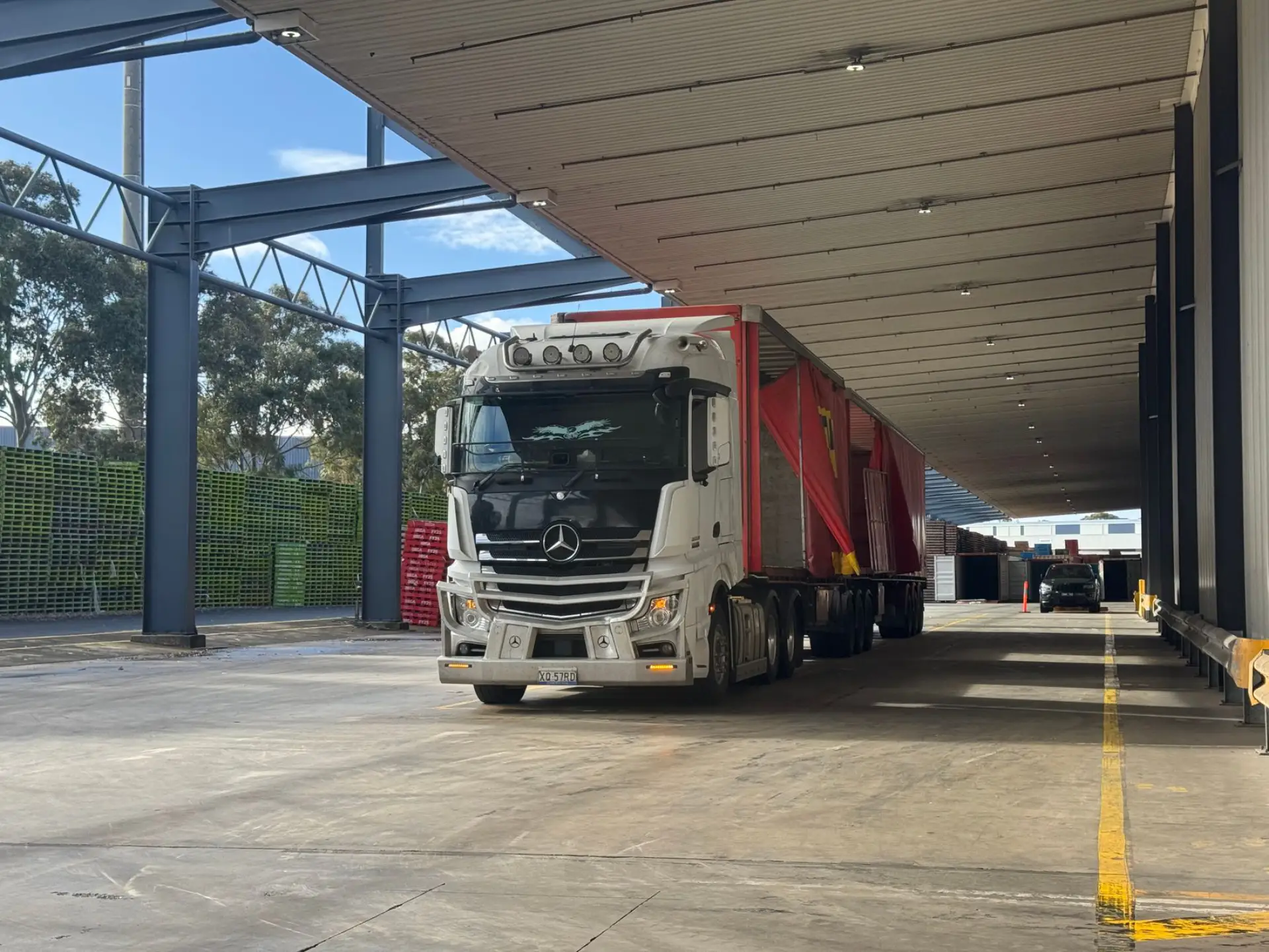
Vehicle envelope drives the opening. A semi tractor and trailer needs width plus an approach angle, and a gate positioned without tracing that path gets struck by drivers doing nothing wrong. On a distribution site where that happens weekly, the damage is continuous and the gate's security and safety value degrades with it.
Operator usage classes matter more here than anywhere. Class III covers industrial and limited-access sites not serving the general public — loading docks, service yards. Class IV covers restricted, guarded access. Fitting general-commercial hardware to a Class III site is the single most common reason industrial gates fail early.
What a Industrial & Heavy-Duty Gates Quote Covers
- Vehicle envelope survey including semi turning and approach paths
- Cycle count established from real site operation across shifts, not estimated
- Usage class identified — typically Class III or Class IV — and stated plainly
- Heavy-gauge frame specification: wall thickness, infill, continuous welds where load is carried
- Hardware rated with substantial margin, chosen for individual serviceability
- Cantilever slide systems where ground tracks would be damaged by plough and heavy vehicle traffic
- Post sizing and footings below Elgin's 42-inch frost depth, sized for industrial leaf weights
- Entry, exit and safety detection loops positioned for the vehicles that actually use the site
- UL 325 entrapment protection and ASTM F2200 construction compliance throughout
- Spares strategy and a maintenance interval matched to the site's real duty
Industrial & Heavy-Duty Gate Systems in Elgin, IL
Industrial Sliding Gates
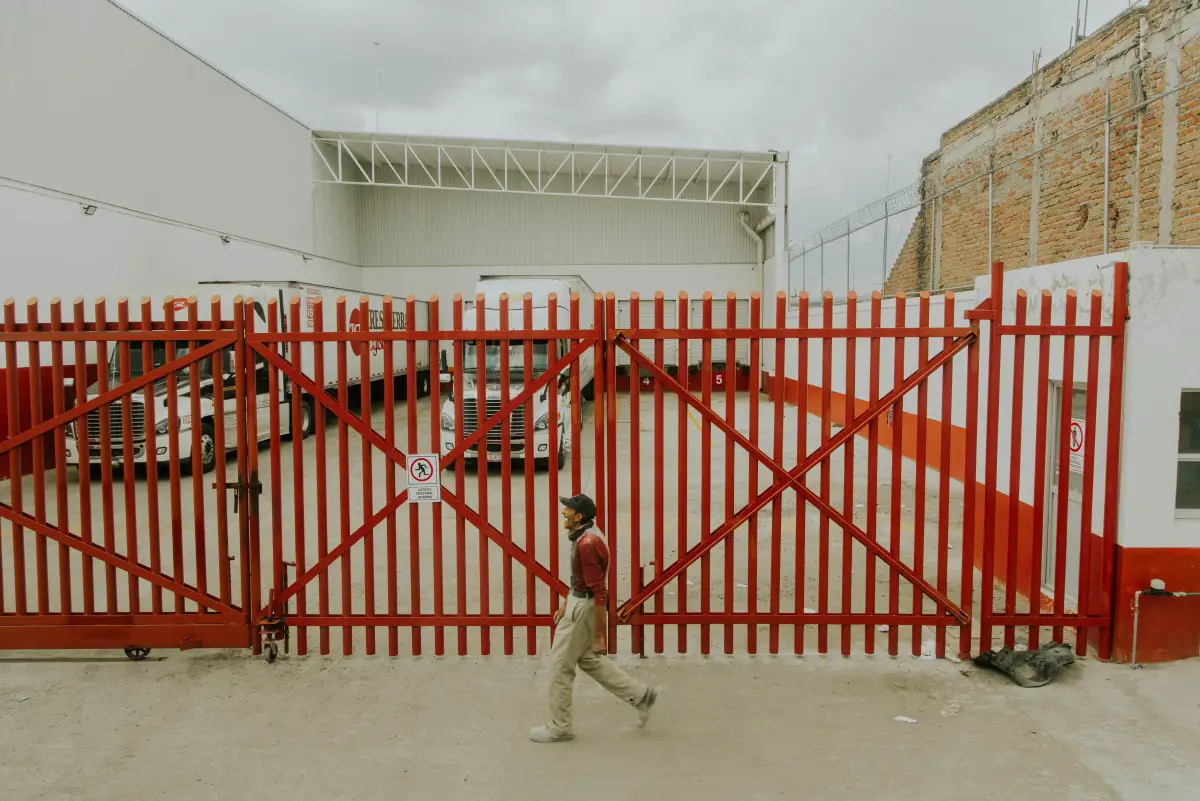
Slides dominate industrial work because arc space almost never exists on a yard where every square foot is manoeuvring room, and because a swing leaf across a dock apron is unacceptable. Cantilever construction is close to standard at this duty: the leaf rides on post-mounted roller assemblies and never touches the ground, which removes plough damage, packed road salt and refrozen meltwater as failure modes in one decision. That matters more industrially than anywhere else, because a ground-level V-track on a yard with semi traffic takes physical damage from wheels as well as debris, and clearing it in January is nobody's assigned job. The tradeoffs are real: cantilever needs a longer run for the counterbalance tail, and the roller posts carry the entire leaf weight, so they get sized and footed substantially. At industrial leaf weights those posts are a significant portion of the installation. See sliding gates.
Heavy-Duty Steel Security Gates
At industrial scale, heavy-duty has to be a written specification rather than a description, because the gap between two quotes using the phrase can be enormous. It means frame tube with stated wall thickness, infill fixed so it can't be levered out, continuous welds where load is carried rather than stitched, and hardware rated with genuine margin above the calculated load. It also means designing for repairability: on a yard where trailers manoeuvre close, damage is a question of when, and a gate built so a damaged section can be cut out and replaced beats one where impact means a new leaf. This is where steel's advantage over aluminum is decisive — steel bends and gets straightened, aluminum dents and gets replaced. Where the site genuinely needs to resist vehicle impact rather than survive incidental contact, that's crash-rated engineered construction and a different conversation entirely. See commercial security gates.
Warehouse & Distribution Center Gates
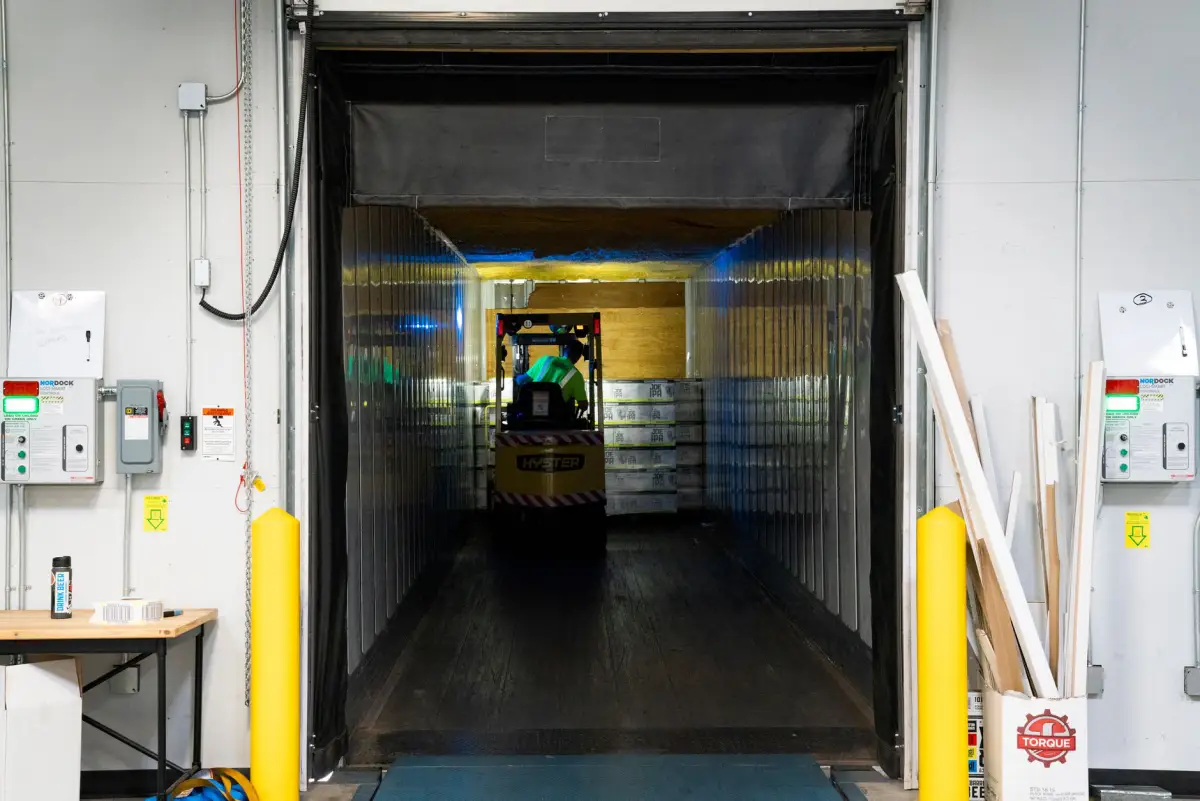
Distribution sites have the highest cycle counts of anything in this category and the least tolerance for downtime, because a gate that stops backs up a dock schedule immediately. Two design consequences follow. First, gate speed becomes a genuine specification rather than an accepted default: if trucks arrive every few minutes and the gate takes fifteen seconds each way, a queue forms and backs onto the road. Second, serviceability outranks purchase price — an operator whose common failure components swap out individually returns the entrance to service in an hour where a sealed assembly means a day. Detection layout needs care with articulated vehicles, since a semi doesn't sit on a loop the way a car does, and a safety loop under the gate's path has to hold it open for the full length of a trailer. Guard or gatehouse integration is common at this scale and belongs in the design from the start.
High-Cycle Automatic Gate Systems
High-cycle operators are built differently from residential and light commercial ones, and the differences justify the price at this duty: continuous-duty rather than intermittent-duty motors, heavier gearboxes, better thermal management, and components designed for individual replacement. Usage class is the specification that matters — Class III for industrial and limited-access sites, Class IV for restricted guarded locations — and fitting Class II hardware to a Class III site is the most common cause of early industrial gate failure. It presents recognisably: the operator copes in mild weather and cuts out on the hottest and coldest days, because that's when its non-existent margin disappears. Power supply gets checked at this scale as a matter of course, with voltage measured at the operator rather than the panel, since a long undersized run starves the motor and imitates every symptom of a failing one. Battery backup is standard where an outage would trap vehicles or halt a shift.
Industrial Vehicle Access Gates
Vehicle access at industrial scale is a traffic engineering problem as much as a gate problem. Entry and exit frequently need separating, since a single opening handling both creates conflict at shift change and at delivery peaks. Detection has to be positioned for articulated vehicles, which sit and move differently from cars — a loop placed for a sedan may not detect a tractor unit reliably, and a safety loop has to hold the gate open for a full trailer length rather than a car length. Auto-close timing balances clearing one vehicle against a second following through, and on a site where that matters, anti-tailgating logic addresses it properly. Queueing gets designed rather than discovered: enough stacking space inside the gate line that a waiting truck isn't on the public road. Credential systems need to handle drivers who visit once, which usually means an intercom to a gatehouse or office rather than issuing hardware. See gate access control systems.
Signs Your Site Needs Industrial-Grade Gate Systems
- Commercial-duty hardware is being used on a site with shift-pattern truck traffic
- The operator cuts out on the hottest and coldest days, the duty-class signature
- Trucks queue onto the road because the gate is too slow for the arrival rate
- Trailers clip the gate or posts regularly, meaning the opening was sized for the wrong vehicle
- A ground-level track is being damaged by plough and wheel traffic every winter
- Gate downtime has backed up a dock schedule more than once
- Detection doesn't reliably pick up tractor units, only smaller vehicles
- The same components fail on a predictable schedule and keep getting replaced like-for-like
How an Industrial Gate System Gets Specified

- 1
Vehicle, traffic and duty survey
The survey treats the gate as part of the site's traffic system. The largest vehicle is identified and its full turning and approach path traced, because an opening sized to the drive rather than the envelope produces a gate that gets struck continuously. Arrival patterns get recorded across shifts, not averaged — a gate cycling steadily through the day is a different specification from one handling forty movements in a two-hour delivery window, where gate speed determines whether trucks queue onto the road. Stacking space inside the gate line gets measured against vehicle length. Then usage class: Class III for industrial and limited-access sites not serving the public, Class IV for restricted guarded locations. That classification drives every hardware decision downstream, and getting it wrong is the most common reason industrial gates fail early.
- 2
Heavy-duty specification and serviceability
Configuration is usually a cantilever slide at this duty, for arc space and for winter reliability. The specification then gets written with numbers rather than adjectives: frame tube wall thickness, infill and fixing method, continuous welds where load is carried, and hardware rated with substantial margin above the calculated load. Serviceability is an explicit selection criterion — components replaceable individually beat a cheaper sealed assembly whenever downtime has an operational cost, which industrially it always does. Repairability of the leaf itself gets designed in where trailers manoeuvre close, so that impact damage means cutting out and replacing a section rather than a new gate. Roller posts get sized for carrying the entire leaf weight on a cantilever, which at industrial weights makes them a substantial part of the works.
- 3
Civils, detection and electrical
A JULIE locate goes in before digging. Post footings go below Elgin's 42-inch frost depth and are sized for industrial leaf weights and the cantilevered loads that come with them — a heaved footing at this scale pulls a roller path out of true and puts the operator in a fight it can't win. Detection loops get planned as a set with distinct jobs and positioned for articulated vehicles: entry detection or a credential reader, exit detection so vehicles aren't trapped, and a safety loop that holds the gate open for a full trailer length. Line voltage gets sized for the run so the motor isn't starved, and low-voltage runs go to every device including any gatehouse. Where trenching crosses a working yard, the works get scheduled around operations rather than discovered as a disruption.
- 4
Commissioning, safety verification and maintenance planning
Gate speed gets configured against the site's real arrival rate rather than left at default. Travel limits are set, obstruction sensitivity is tuned to reverse off a person without nuisance-tripping in an exposed yard, and auto-close timing is set to clear one vehicle without allowing a second through unnoticed. Every safety device is deliberately triggered and verified in both directions of travel — UL 325 requires two independent means of entrapment protection at each entrapment point per direction, and monitored devices are what post-2016 operators refuse to run without. ASTM F2200 items get checked on the gate itself: frame openings under 2.25 inches, smooth bottom edges with protrusions no greater than half an inch, and construction such that the gate won't fall more than 45 degrees from vertical if it detaches from its supporting hardware. Then a spares list and a maintenance interval get agreed against the site's real cycle count, and site staff are shown the manual release.
What Do Industrial Gates Cost in Elgin, IL?
- Usage class — Class III and Class IV operators are substantially different machines from general-commercial ones
- Cycle count and arrival rate, which drive both hardware class and gate speed
- Opening width set by semi turning and approach envelope
- Frame gauge, weld specification and infill fixing at heavy-duty spec
- Cantilever roller posts and footings, which carry the entire leaf and are sized accordingly
- Gate speed, a real specification decision where queueing onto the road is a risk
- Detection layout for articulated vehicles, including a safety loop sized for trailer length
- Separate entry and exit lanes where a single opening would create conflict
- Serviceability and spares holding, which trade purchase price against downtime
- Scheduling works around site operations, and any out-of-hours requirement
Industrial gate decisions become clear once the cost of an hour of downtime is estimated, because that number is usually larger than the differences being debated on the quote. It's what justifies a higher usage class, individually serviceable assemblies, a small stock of predictable failure parts, and paying for gate speed on a site where trucks would otherwise queue onto the road. Specifying to the minimum that meets the load is defensible on a driveway and rarely defensible on a distribution yard.
What to Look for in an Elgin Industrial Gate Contractor
The Semi Turning Path Actually Traced
Not the drive width. An opening sized for the wrong envelope produces a gate that gets struck by drivers doing nothing wrong, month after month.
Usage Class Named — Class III or IV
Fitting general-commercial hardware to an industrial site is the most common cause of early failure, and it's identifiable on the quote.
Arrival Rate Considered, Not Just Total Cycles
Forty movements in a two-hour delivery window is a different problem from forty spread across a day. Gate speed is a specification.
Serviceability Weighted Against Downtime
Individually replaceable components return a blocked entrance to service in an hour. A sealed assembly means a day.
Detection Positioned for Articulated Vehicles
A tractor unit doesn't sit on a loop like a car, and a safety loop has to hold the gate open for a full trailer length.
A Spares List and Maintenance Interval Agreed
Industrial gates wear predictably. Planning for it costs less than one emergency visit plus the shift it disrupts.
Residential & Commercial Industrial & Heavy-Duty Gates
Residential
Industrial-duty specification rarely belongs on a residential property, and where it gets sold there it's usually capacity nobody uses. The exception is a large managed site with genuinely commercial traffic patterns — see commercial metal gates for that category.
Commercial
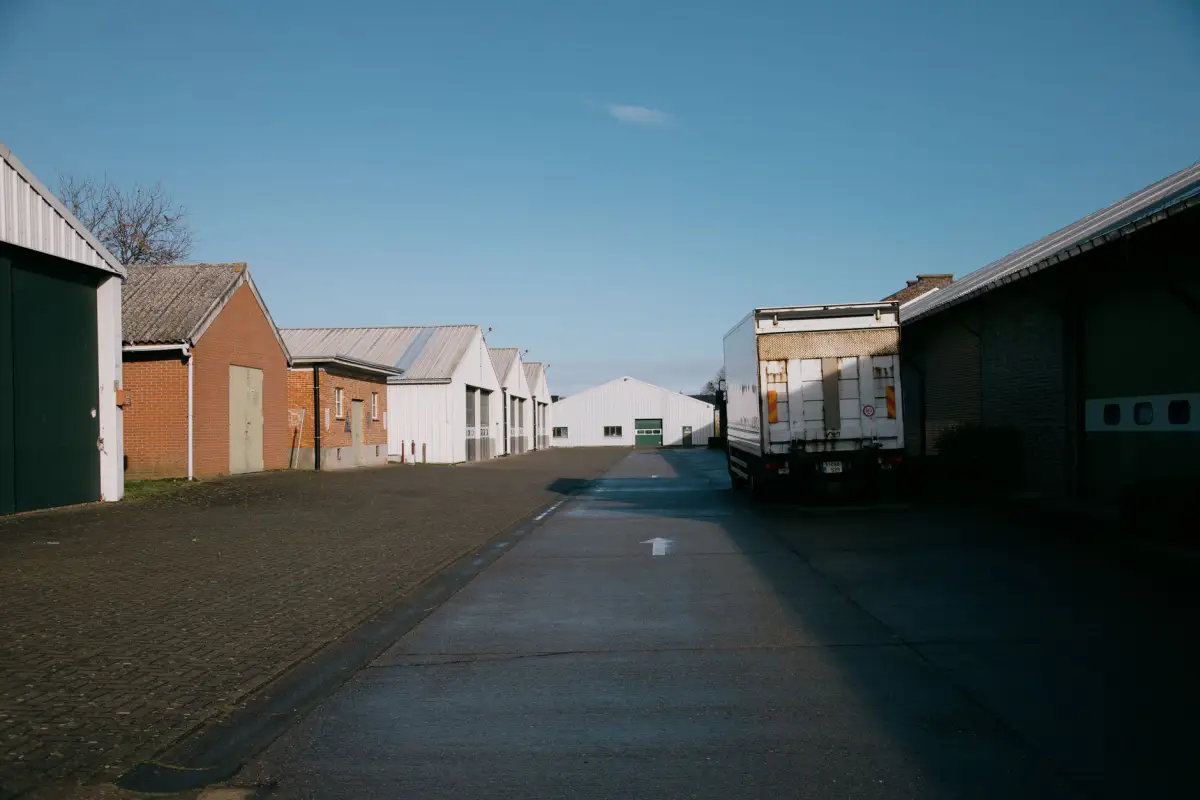
Warehouses, distribution centres, service yards, manufacturing sites and any property with shift-pattern heavy vehicle traffic sit in this category. The specification drivers are cycle count, arrival rate, vehicle envelope and the operational cost of downtime. See commercial automatic gates and commercial gate repair.
When an Industrial Gate Isn't the Right Call
- The site has light vehicle traffic and a gate that opens a few times a day. Industrial-duty hardware is capacity you'll pay for and never use — see commercial metal gates.
- You need a barrier engineered to stop a vehicle at speed. That's crash-rated construction with engineered footings, and no standard industrial gate should be represented as one.
- Your existing industrial gate is sound and the problem is wear in rollers, rack or operator. That's commercial gate repair.
- The real problem is that trucks queue onto the road. That may be a gate speed and stacking-space issue rather than a reason to replace the gate.
- The property is outside Kane, Cook, DuPage, McHenry and Lake Counties.
Related Services
- Commercial Metal Gates in Elgin, IL
General commercial duty — the right category for most business entrances.
- Commercial Automatic Gates in Elgin, IL
High-cycle operators, detection loops and auto-close timing.
- Commercial Gate Repair in Elgin, IL
Wear-driven service and preventative maintenance at industrial cycle counts.
- Commercial Security Gates in Elgin, IL
Perimeter, yard and controlled-access work alongside the vehicle entrance.
Serving Nearby Cities
Gate work across Kane, Cook, DuPage, McHenry & Lake Counties. Each city page covers the local permit requirements, footing depth and the configurations that come up most often there.
- South Elgin
- Streamwood
- Bartlett
- Carpentersville
- Hanover Park
- Hoffman Estates
- St. Charles
- Algonquin
- Schaumburg
- Lake in the Hills
- West Chicago
- Carol Stream
- Huntley
- Batavia
- Glendale Heights
- Palatine
- Crystal Lake
- Wheaton
- Arlington Heights
- Addison
- Lombard
- Mount Prospect
- Buffalo Grove
- Aurora
- Elmhurst
- Des Plaines
- McHenry
- Naperville
- Downers Grove
- Woodstock
Frequently Asked Questions
- What makes a gate industrial rather than commercial?
- Duty and vehicle type. Industrial sites run higher cycle counts, often concentrated into shift patterns rather than spread through the day, and handle articulated vehicles whose turning envelope and detection behaviour differ from cars. That translates into Class III or IV operators rather than Class II, heavier frame and hardware specification with real margin, and a design weighted toward serviceability because downtime halts work rather than inconveniencing someone.
- How wide does a gate need to be for semi traffic?
- Wider than the drive suggests, because a tractor and trailer doesn't enter straight — it swings, and the gate has to sit clear of that path. The right method is tracing the actual turning and approach path of the largest vehicle rather than measuring the opening. Where a gate gets clipped regularly, the underlying cause is almost always that this was never done, and reinforcing the struck corner treats the symptom.
- Why do our gate operators keep failing?
- Most often because the usage class is set too low for the site. Class II general-commercial hardware on a Class III industrial site runs with no thermal margin, and the failure signature is recognisable: it copes in mild weather and cuts out on the hottest and coldest days. Replacing like-for-like reproduces the timeline. The other candidate worth ruling out is voltage drop on a long undersized run, which starves the motor and mimics every symptom of a failing one.
- Should an industrial gate slide or swing?
- Slide, in nearly all cases, and cantilever rather than ground-track. Arc space almost never exists on a working yard, and a swing leaf across a dock apron isn't acceptable. Cantilever keeps the leaf off the ground entirely, which removes plough damage, packed salt and refrozen meltwater as failure modes — significant on a site where clearing a ground channel in January is nobody's assigned job.
- How fast should an industrial gate be?
- Fast enough that vehicles don't queue onto the public road at the site's peak arrival rate. That's a real specification decision rather than an accepted default: if trucks arrive every few minutes during a delivery window and the gate takes fifteen seconds each way, a queue forms. Stacking space inside the gate line is the other half of the same calculation, and both belong in the design rather than being discovered after commissioning.
- Is a maintenance contract worth it on an industrial gate?
- Where a stopped gate halts work, yes, and the case rests on downtime rather than on repair cost. Industrial gates wear predictably — rollers and racks announce themselves audibly for weeks, hinges develop play before a leaf sags, loops fail from pavement movement. Scheduled inspection catches those at low cost. Holding a small stock of predictable failure components alongside it usually costs less than a single emergency visit plus the shift it disrupts.
Learn More
- UL Solutions — UL 325 External Entrapment Protection Devices — What counts as an entrapment protection device, and why operators built from 2016 onward refuse to run without a monitored one connected.
- DASMA — An Installer's Guide to ASTM F2200 — The construction requirements an automated gate has to meet: gap limits, bottom-edge protrusions, and how the gate has to behave if it leaves its hardware.
- City of Elgin — Common Residential Permits — Which residential projects need a permit in Elgin and how the application is filed.
Get a Quote for Industrial & Heavy-Duty Gates in Elgin, IL
Send over the opening you’re working with and get an on-site measurement and quote — no charge for the estimate, no obligation to book it.
Get My Free Estimate